

TASTING NOTES:
Intense, brilliant garnet‐red colored bold red wine. It reveals lovely fruits, loads of body and a heavy bouquet of ground peppers, raspberries, cherry liqueur, currants, and spice box.
Rich and elegant, thanks to the harmony of all its elements. Full‐bodied and dense, it tastes more like a “baby Châteauneuf-du-Pape” than a simple Côtes du Rhône.
Grape variety : 70% Grenache Noir, 20% Syrah, and 10% Mourvèdre
CRITICALLY ACCLAIMED BY:
Jeb Dunnuck: 94
Robert Parker's Wine Advocate: 92
SERVING SUGGESTIONS:
Excellent with grilled and aged meats, spicy, sweet and savory fusion style dishes. Serve at a temperature of no more than 65°F. Most appreciated between 1 and 6 years of age.
THE WINERY:
DOMAINE GRAND VENEUR “Les Champauvins” is a hidden jewel, on the edge of the Châteauneuf-du-Pape demarcation. It stretches on 34 hectares technically classified as Côtes du Rhône. The plots are located in the northern border of Châteauneuf-du-Pape, exactly 3 yards outside the legendary appellation. A small lane of rocks going through the rocky plateaux has been designated the Châteauneuf-du-Pape limit in 1936.
HISTORY: Established in the northern part of Châteauneuf-du-Pape, the Jaume family has been dedicated to the art of wine growing since 1826. In the 14th century, during their stay in Avignon, the Pope built a papal castle in Châteauneuf-du-Pape (“New castle of the Popes”). Impressed by the area's exceptional “terroir” (the soil and its growing conditions), they planted vineyards around the castle on terraces covered with characteristic large smooth rounded stones, which get very hot during the day in the hot sun, and keep the vine roots warm during the cold nights, providing perfect condition for wine grapes.
Item 205

GRAPE VARIETY:
Grenache noir, Syrah, Cinsault, Mourvèdre
TASTING NOTES:
Award winning Côtes du Rhône for everyday enjoyment, with great complexity.
The color is a red garnet with purple tinged.
The aromatic range of the nose goes from fresh berries (wild raspberry, blackcurrant, blackberry) to spices.
The palate is big and full‐flavored, with silky‐smooth tannins and the berry aromas.
The finish is smooth and clean, introducing touches of pepper.
SERVING SUGGESTIONS:
Particularly pleasant with spicy foods, and barbequed meats.
A classic Rhône to enjoy slightly fresh, but not cold, best poured around 62° to 65°F.
AWARDS:
Wine Enthusiast: 88 points
Robert Parker - Wine Advocate: Recommended Domaine/Winery
French Hachette Guide: 2 stars (out of three); Exceptional quality for the value
THE WINERY:
This Côtes du Rhône is made from various type of soils, but it mostly comes from limestone terraces with sand and red clay. This give to the “Reserve” an extraordinary richness and complexity with a Mediterranean style.
History: Established in the northern part of Châteauneuf du Pape, the Jaume family has been dedicated to the art of wine growing since 1826. In the 14th century, during their stay in Avignon, the popes built a papal castle in Châteauneuf-du-Pape (“New castle of the Popes”). Impressed by the area's exceptional “terroir” (the soil and its growing conditions), they planted vineyards around the castle on terraces covered with characteristic large smooth rounded stones, which get very hot during the day in the hot sun, and keep the vine roots warm during the cold nights, providing perfect condition for wine grapes .
Winemaking & aging:
Traditional wine making and ageing is performed in vats only. Bottling after 10‐12 months.

Soil type
Northern sector of Châteauneuf du Pape.
GRAND VENEUR «Vieilles Vignes» cuvee include the estate oldest plots. Thanks to time and an organic growing, roots go very deep in the soil. Yields are naturally low and grapes highly concentrated.
Grape variety
50% Grenache noir
30% Mourvèdre
20% Syrah
Winemaking & ageing
Harvest is destemmed and crushed. Fermentation temperature is controlled at 30°C. Vatting period of 18 to 20 days. Matured in concrete vats (40%) and oak casks (60%).
Tasting
It boasts an inky/purple color in addition to a gorgeous perfume of crushed rocks, jammy black fruits, charcoal and graphite. Blackberry aroma with an air of dates pressed in alongside – this is sweet‐ noted. It is easy to appreciate, a sleek and stylish start. The palate holds excellent fruit that runs well and has kick. Its tannins move round freely and a minted finale comes forward. Its dark fruit is tasty, darkens on the finish, where tar and char from its oak enter. It is all very much together, a bundle of harmony, and will gain local attributes as it ages.
An outstanding Chateauneuf du Pape which display the best of its terroir.
Recommendation
This wine has an incredible ageing potential and it will get benefit of your patience. We advice a consumption between 3 and 30 years after the vintage. Decant if young, until 5‐6 years.
To be served at 16°C and hold the bottles for ageing in temperature controlled room between 8 and 12°C.
Item 209

Soil type
Located in and around the famous area called “Dentelles de Montmirail”, the landscape typicity is made by a rocky bar (between 100 and 600 meters high). Soils are made of clay and sand with limestone. The “Dentelles” appeared thanks to the pressure between the Pyrenees and Alps montains. This is a land of predilection to produce both powerful and fresh wines.
Nights are cooler and the grapes ripeness usually comes in late september. Grape variety
Grenache mostly Syrah Mourvèdre by less than 15%.
Winemaking & ageing
Traditional wine‐making in stainless and concrete vats. Crushed and destemmed grapes. Average of 18 days of vatting with pigeages. Ageing in vats mostly and oak barrels. Bottling after 12 – 14 months.
Tasting
Deep red garnet color. Aromas typical for Grenache with ripe black fruit, blackberry. A powerful Gigondas, racy but harmonious and well balanced. The finish is long on spice touches (pepper) and minerals (crushed rocks, graphite).
Recommendation
Between 1 and 8 years. Best to decant if served young. Serve at a temperature of 17°C.
Item 213

LIRAC is one of the up‐coming best area from the southern Rhône valley,
as it delivers outstanding wines.
Grape variety:
50% Grenache noir, 35% Syrah, 15% Mourvèdre
100% Organic
TASTING NOTES:
Bold red wine with an Intense inky red color, and an incredible long and full finish.
On the nose, aromas of red and black ripe fruit (kirsch and wild Blackberry) are dominant. The mouth is full, with aromas of blackcurrant liquor and spice. Tannins are both harmonious and elegant thanks to the fleshiness of the wine. The end displays hints of smooth vanilla, which gives to the wine length and complexity.
SERVING SUGGESTIONS: Pairs well with all types of Mediterranean style dishes: Bouillabaisse (tomato-based seafood stews), grilled tuna, lobster with saffron, red pastas, grilled meats, roasted vegetables. Wonderful as a sipper in its own right too!
Best between 1 and 8 years of age.
Serve at about 65°F. Best if open about 30 minutes prior serving.
THE WINERY:
Established in the northern part of Châteauneuf-du-Pape, the Jaume family has been dedicated to the art of wine growing since 1826.
In the 14th century, during their stay in Avignon, the popes built a papal castle in Châteauneuf-du-Pape (“New castle of the Popes”). Impressed by the area's exceptional “terroir” (the soil and its growing conditions), they planted vineyards around the castle on terraces covered with distinctive large smooth rounded stones, which get very hot during the day in the hot sun, and keep the vine roots warm during the cold nights, providing perfect condition for wine grapes .
LIRAC vineyards are facing Chateauneuf-du-Pape, opposite side of the Rhône river. Soils are almost similar on both sides. They are marked by the violent wrought of the Rhône river. It consists of a layer of marine molasses of the Miocene period covered by alpine alluvium. The presence of a great number of the legendary rounded stones known as "galets" in the soil is evidence of the time when the Rhône, then a mountain torrent, tore fragments of rock from the Alps and deposited them on the plain.
Winemaking & ageing:
Traditional wine‐making in stainless still vats. Hand sorted bunches crushed and destemmed grapes. Fermentation temperature : 30°C. 18 days of vatting with pigeages. Ageing in concrete vats and French oak barrels.
Item 201

Soil type
Vacqueyras is located right next to Gigondas AOC.
It mostly streches on Sarrians territory, where is the famous plateaux named “Les Garrigues”. This area is made of clay and rocks. The beautiful landscape of the “garrigue” is typical of the mediterranean area. The wines itself smell the spices, the dried herbs…you will taste the “Garrigue” in your glass, welcome to Provence …
Grape variety Grenache noir Syrah
old Cinsault Mourvèdre Organic
Winemaking & ageing
Traditional winemakeing methods, temperature controlled fermentation. Long soaking on the skins. Ageing in concrete vats and 3 years old barrels. Bottling after 14 months.
Tasting
Deep, intense hue. Aromas of fresh black fruit a little meaty, with dried herbs smells. On the palate, the richness of the tannins harmonizes with the smoothness of the wine. The finish is long, with spices aromas, licorice.
A typical wine from this specific terroir called “Les Garrigues”.
Recommendation
Best between 1 and 7 years. To be poured around 17°C.
Item 212

GRAPE VARIETY: 100% Viognier
100% Organic
TASTING NOTES:
Full bodied white wine, with brilliant, deep and clean color.
A very intense nose of flowers, white peach and pear, and a hint of dry herbs.
On the palate, aromas are expressed with balance and an amazing freshness.
A great example of Rhône white wine, single grape “Viognier”. Blanc De Viognier provides the right balance to suit just about any discriminating palette.
SERVING SUGGESTIONS:
Blanc de Viognier pairs marvelously with a wide variety of seafood and shellfish dishes, roasted or grilled chicken, fried pork chops. It particularly enhances spicy flavors such as those found in Chamorro and Asian cuisine, especially coconut-based dishes such as Kadon Pika, chicken Kelaguen or Thai curries. Viognier is also delicious with select vegetable and salad courses and of course hard or soft mild cheeses.
To be enjoyed young but can age for 3‐5 years. To be served at 45°C.
THE WINERY:
Established in the northern part of Châteauneuf-du-Pape, the Jaume family has been dedicated to the art of wine growing since 1826.
In the 14th century, during their stay in Avignon, the popes built a papal castle in Châteauneuf-du-Pape (“New castle of the Popes”). Impressed by the area's exceptional “terroir” (the soil and its growing conditions), they planted vineyards around the castle on terraces covered with distinctive large smooth rounded stones, which get very hot during the day in the sun, and keep the vine roots warm during the cold nights, providing perfect conditions for growing wine grapes .
The Domaine Grand Veneur Viognier vineyard is located next to the single vineyard “Les Champauvins”, featuring the famed large stones which provides this bold white wine its unique character. Soils are made of clay and sand with limestone.
Winemaking & ageing:
Hand‐picked harvest. Fermentation in temperature‐controlled vats. Early bottling, 6 months after harvest.
Item 206

Soil type
Coming from the single vineyard named “La Fontaine”, the plot is facing north. It is made of clay‐sand and limestone. Thanks to the northern orientation, it is always very well aired. This sector allows the Roussane and Clairette to mature in great conditions without losing freshness, which we believe is key point.
Grape variety 60 % Clairette
40 % Roussanne
100% Organic
Winemaking & ageing Whole‐bunch pressing.
Vinification in stainless‐steel tanks. Fermentation temperature controlled at 15°C.
Tasting
Pale yellow colour with hints of green, aromas of white flowers (may blossom, honeysuckle).
The palate is pleasantly balanced between liveliness and roundness, which brings out characteristics of dried apricot, honey and elderberry. A Châteauneuf du Pape white displaying a great finesse.
Recommendation
Between 1 and 8 years. Serve at a temperature of 10°C.
Item 204

Take a touch of humor, add a piece of imagination, and mature a "Big" variety grapes !
This wine is a pure expression of SYRAH, the fruity aromas of blackberry and blueberry, floral fragrance.
Menthol and purple, all on a spicy final Pepper and Licorice. In short, a beautiful Syrah with Rhodanien mind!
Grape Varieties Syrah (13% alc./vol) Winemaking & ageing
Wine process in stainless steel tanks at controlled temperatures. Bottling from 6 months to promote expression and purity of fruit.
Tasting
Full bodied, sweet scents and aromas of violets and black fruits, with a creamy palate, and soft caramel long finish. The final is looming in pure typicality of the grape variety, with peppery buttery character..
The palate is creamy with notes of blackberry and blueberry. Tannins are elegant and silky. The final is looming in pure typicality of the grape variety, with pepper and liquorice character.
Recommendation:
Between 1 to 5 years.
To drink by himself or with charcuterie and grilled meats. Best poured at 16°C
Item 210

Grape variety:
Roussane, Viognier and Clairette
ORGANIC
TASTING NOTES:
Dry and crisp, yet bold and fruity, most dry wine lovers and the fruitier wine enthusiasts will appreciate this very versatile white wine.
Pale yellow color, brilliant with a gold tinge. Primary aroma of flowers and stone fruit. On the palate, the fruit is immediately present with touches of almond and white peach. A slight liveliness appears in the finish, which creates a perfect balance for the natural generosity of this wine. Crisp with a lovely finish. It’s full and lush but has enough balance of fruit to maintain structure.
SERVING SUGGESTIONS:
Enjoy with cooked shellfish dishes, most especially shrimp, shrimp kelaguen, as well as pork, fatty fish (salmon, tuna etc.), poultry, cured meats, fresh salads, fresh lumpia, mature and hard cheeses.
To consume young in order to preserve the fruitiness typicity.
Best poured COLD at 40°F.
THE WINERY:
Established in the northern part of Châteauneuf-du-Pape, the Jaume family has been dedicated to the art of wine growing since 1826.
In the 14th century, during their stay in Avignon, the popes built a papal castle in Châteauneuf-du-Pape (“New castle of the Popes”). Impressed by the area's exceptional “terroir” (the soil and its growing conditions), they planted vineyards around the castle on terraces covered with distinctive large smooth rounded stones, which get very hot during the day in the sun, and keep the vine roots warm during the cold nights, providing perfect condition for growing wine grapes .
Winemaking & ageing
Direct press, fermentation in temperature controlled stainless‐steel vats. Early bottling 6 months after harvest.
Item 208

Intense purple color, very expressive nose, pronounced red fruit notes. Full on the palate, with a good meaty body and round tannins. Beautiful velvety length.

Grape Varieties:
70% Merlot, 20% Cabernet Sauvignon , 10% Petit Verdot
Tasting Notes:
Deep purple and red color.
Precise nose with black currant, vanilla, mocha, and spices.
Château BELLEVUE de TAYAC combines elegancy, finesse, and purity typical of the Margaux appellation. Fruit-driven and pure, with a mix of mulberry, red currant, and damson plum notes, laced with espresso-tinged toast and backed by light savory and iron hints on the finish. The wine drinks beautifully after 3 to 4 years aging and has a great aging potential.
Serving Suggestions:
Decant for 60 minutes.
Serve at 65° F.
Pairs well with Duck breast, T-bone and filet steak, cheese.
Winery History:
In 1964, Gabriel Fabre purchased the property and took on the task of replanting the vineyard site and rebuilding the winery.
Vincent Fabre, his son, and now grandchildren have since taken over the management of the estate.
Margaux AOC Specifics:
Vines appeared first in the village of Margaux during the gallo- Roman period. In 1954 the appellation Margaux was born. It stretches over five communes and is unique in Médoc for the predominance of Garonne gravels on a central plateau deposited by the river. Today, all the conditions for this world famous successful wine are present: a large amount of gravels and pebbles, poor soil which cannot retain water, and deep-rooted vines.
James Suckling: 92-93pts
Wine Enthusiast Cellar Selection Roger VOSS (2018): 93pts
Item 650

Grape Varieties:
58% Cabernet Sauvignon, 35% Merlot, 7% Petit Verdot
Tasting Notes:
Dark ruby colour in the first years, Beautiful.
Large spectrum of aromas after aerating: notes of blackcurrant, cedar, and “jammy” fruits,
associated with soft spices and subtle vanilla.
The mouth is full and rich, layering cherry, cassis, pepper, and cinnamon, with hints of mineral and berry.
Very smooth finish.
Serving Suggestions:
Decant for 30 minutes.
Serve at 65° F.
Rack of Lamb, Entrecote bordelaise, T-bone steak Cheese
Winery History:
In 1964, Gabriel Fabre purchased the property and took on the task of replanting the vineyard site and rebuilding the winery.
Vincent Fabre, his son, and now grandchildren have since taken over the management of the estate.
James Suckling.com : 90 pts « A firm and silky wine with blackberry, blueberry and wet-earth character. Medium body, firm tannins and a medium finish.»
Wine Enthusiast: « Fresh and juicy, this wine is packed with a black currant flavor. It has enough firm tannins to give it shape and structure. The acidity is enmeshed in the structure, just a hint for now. »
Item 651

Grape Varieties:
Average age of vines: 60 years
75% Cabernet Sauvignon, 15% Merlot,
10% Petit Verdot.
Tasting Notes:
Deep purple and red.
Aromatic complexity with a wonderful integration of fruit and oak. Large spectrum of aromas: cloves, spices and mild tobacco.
Good structural complexity.
Generous and elegant with a long aging potential.
Serving Suggestions:
Decant for 60 minutes.
Serve at 65° F.
Pairs well with Rack of Lamb, Entrecote bordelaise, T-bone steak Cheese
Winery History:
In 1964, Gabriel Fabre purchased the property and took on the task of replanting the vineyard site and rebuilding the winery.
Vincent Fabre, his son, and now grandchildren have since taken over the management of the estate.
JAMES SUCKLING : 92 Points
Medium to full body, velvety tannins and a juicy finish. Straightforward and fruity with blueberry and light chocolate character. Medium body and fine tannins. Very clear and precise on the nose with currants, flowers, and hints of fresh herbs.
Item 652

Plot located in the northern edge of the Nuits-Saint-Georges village. It enjoys a beautiful exposure to the east and the same marl-limestone soil which extends to the Grands Crus of Vosne-Romanée.
Intense ruby color. The nose is elegant, associating notes of barrel aging with hints of cocoa and ripe black fruits. The palate combines power and tannins with a nice finesse.
Serve at : 15°-17°C
Cellar potential : 4 to 7 years
Grape : Pinot Noir
Surface : 0.40 ha
Soil : Clay-limestone
Age of vines : 1982
Exposure : East
Location : Top of the slope
Culture : Mechanical soil tillage, plowing.
Harvest : Hand-picked with sorting at the vineyard then on a vibrating sorting table. 100% scuffed.
Winemaking : Vatting 15 to 18 days cold pre-fermentation maceration then 5 to 6 days alcoholic fermentation with periodic punching down and pumping over.
Ageing : Matured 12 months in oak barrel (1/4 new).

Exposed at the top of hillsides on chalky soils, the vineyard gives a wine that takes time to reach maturity.
Dark ruby in color, aromatic and spicy, it develops a certain aromatic richness. Red fruits, black berries, flowers, honey, toasted almonds evolving towards leather, spices and scents of undergrowth are specific notes of this wine.
Serve at : 15°-16°C
Cellar potential : 5 to 10 years
Grape : 100% Pinot Noir
Surface : 0.50 ha
Soil : Clay-limestone
Age of vines : 45+
Exposure : Full East
Location : Top of the slope
Culture : Mechanical soil tillage, plowing.
Harvest : Hand-picked with sorting at the vineyard then on a vibrating sorting table. 100% scuffed.
Winemaking : Vatting 15 to 18 days cold pre-fermentation maceration then 5 to 6 days alcoholic fermentation with periodic punching down and pumping over.
Ageing : Matured 12 months in oak barrel (1/4 new).


Carte d’Or is a very low sulfur, full bodied Champagne, with very fine bubbles.
The Drappier house is known for its minimum use of sulfur, and natural, sustainable agriculture.
GRAPE VARIETY: 75% Pinot Noir, 15% Chardonnay, 10% Meunier
TASTING NOTES:
The Carte d’Or cuvée is the very expression of the Drappier style. With its very high proportion of Pinot Noir, one is almost tasting a Blanc de Noirs. Champagne with a fine aromatic richness, it opens with aromas of stoned fruits such as white vineyard peach. A spicy hint announces a powerful and complex palate. A vinous Champagne of lovely complexity with a characteristic note of quince jelly.
SERVING SUGGESTIONS:
Ideal as an aperitif.
At the table it goes with white meats, fish fillets, soft cheeses, and desserts.
Serve at 45°F, keep in an ice bucket.
DRAPPIER FAMILY HISTORY:
Since 1808 the Drappier family has used its skill to select parcels of land which are particularly well exposed and extremely rich in limestone. The Drappier vineyard covers 100 hectares and constitutes the House’s essential trump card. For the most part they are located around Urville, where Pinot Noir, the predominant grape variety, finds its loveliest expression and allows the production of very elegant, aromatic full-flavored Champagnes.
Champagne Drappier was the beloved General De Gaulle’s most favored Champagne.
Vinification of the Carte d’Or cuvée:
Only the juices from first pressing – the cuvées ‐ are used Mechanical low‐pressure presses Use of gravity to avoid pumping, thus avoiding oxidization
Natural settling Alcoholic fermentation for roughly 2 weeks at low temperature, then total and
natural malolactic fermentation. No filtering Minimal use of sulfur.
5% of the wines are matured in barrels for 1 year to enrich the cuvée. Dosage: 7 g/l
Item 101

Low use of sulfur for this grand Champagne
55 % Pinot Noir
45 % Chardonnay Grande
Sendrée 2008 in a nutshell... Sourced from a single location Elegance
“Crayot” soil Very low sulphur content Liqueur de dosage aged in wood Non‐filtered
The Grande Sendrée takes its name from a parcel of land covered in cinders (cendrée) after the fire which ravaged Urville in 1838. A spelling error having crept into a new version of the land register, today Sendrée is written with “s”, not “c”. On very light soils made up of “crayot”, the Chardonnay displays a very fine elegance while the Pinot Noir, with its slight predominance, brings power and great vinosity.
Tasting notes
This champagne presents itself in a ravishing pale yellow robe with topaz nuances. Time has used its patina to reveal the wine’s complexity. Hawthorn blends with acacia honey, beeswax and marzipan. When it is aerated, the wine resumes its mur‐ murings, quince jelly meets raspberry jam and alternates with bergamot and warm brioche. On the palate it is invigorating, imposing and it teases the taste buds. The bead caresses and balances wild strawberry jam with ripe blood orange. This har‐ mony is extended in a delicate minerality and a lovely bitterness in which hints of mandarin orange come through.
Serving suggestions
Ideal as an aperitif. Goes perfectly with bouillon of crayfish and grapefruit, poached turbot with sauce hollandaise, scallop carpaccio, rack of lamb with foie gras, creamed Bresse fowl with truffles, mountain comté at least 18 months old.
Serve at 7°C.
Item 105

This is a 100% Sulfur free Champagne, purest of its kind.
The Drappier house is known for its minimum use of sulfur, and natural, sustainable agriculture.
GRAPE VARIETY: Blanc de Noir 100% Pinot Noir, Non‐filtered.
TASTING NOTES
Incredibly smooth and clean finish.
Vermilion gold in color.
Nose of freshly pressed black grapes, of red, white and citrus fruits. Ample palate with flesh of vineyard peach and bouquet of aromatic herbs. Small spicy notes in the finish. A fine, tightly knit Champagne of great purity.
SERVING SUGGESTIONS:
Ideal as an aperitif.
The perfect accompaniment for seafood, sashimi or even soft goat’s cheese.
Serve at 45°F.
FAMILY HISTORY:
Since 1808 the Drappier family has used its skill to select parcels of land which are particularly well exposed and extremely rich in limestone. The Drappier vineyard covers 100 hectares and constitutes the House’s essential trump card. For the most part they are located around Urville, where Pinot Noir, the predominant grape variety, finds its loveliest expression and allows the production of very elegant, aromatic full-flavored Champagnes.
Champagne Drappier was the beloved General De Gaulle’s most favored Champagne.
Item 103

Low sulfur Champagne
100% Pinot Noir
The Drappier vineyard covers 100 hectares and constitutes the House’s essential trump card. Since 1808 our family has used its skill to select parcels of land which are particularly well exposed and extremely rich in limestone. For the most part they are located around Urville, where the Pinot Noir, in the majority, finds its loveliest expression and allows the production of very elegant, aromatic wines.
Vinification of the Brut Nature Rosé cuvée
Rosé made using the saignée method with maceration in vats lasting 3 days Only the juices from first pressing – the cuvées ‐ are used
Mechanical low‐pressure presses
Use of gravity to avoid pumping, thus avoiding oxidisation Minimal use of sulphur
Natural settling Alcoholic fermentation for roughly 2 weeks at low temperature Then total and natural malolactic fermentation No filtering
Assemblage – 100% of the wines are made in vats in order to preserve as much freshness as possible After bottling the cuvée is aged for 2 to 3 years sur lattes (on laths)
Zero dosage Tasting notes
On the nose, very evocative of strawberry and raspberry with a floral note of rose petals. The palate recalls red fruits and is augmented by hints of citrus fruit, man‐ darin orange and a small, very refined touch of white pepper.
Serving suggestions
Ideal as an aperitif. Goes perfectly with salmon carpaccio or scallops, sushi, grilled meats… Serve at 7°C.
Item 104


Very typical and traditional Champagne from a small family winery, very appreciated by French families for the smaller special occasions just as well as for weddings or large celebrations.
TASTING NOTES:
Full flavored, fruity and dry classic Champagne
Its color is limpid and brilliant and reveals slight gold reflections.
The first very expressive nose, typical of the Pinot Noir grape, reveals slightly floral notes.
The mouth is full and round while retaining an expressive character.
The fresh and elegant finish reveals notes of red fruit. Ideal as an aperitif and for your chosen moments.
The blend is made up of around 80% of wines from the harvest and 20% of the year from reserve wines.
SERVING SUGGESTIONS:
Recommended serving temperature: 8 ° C
Item 123
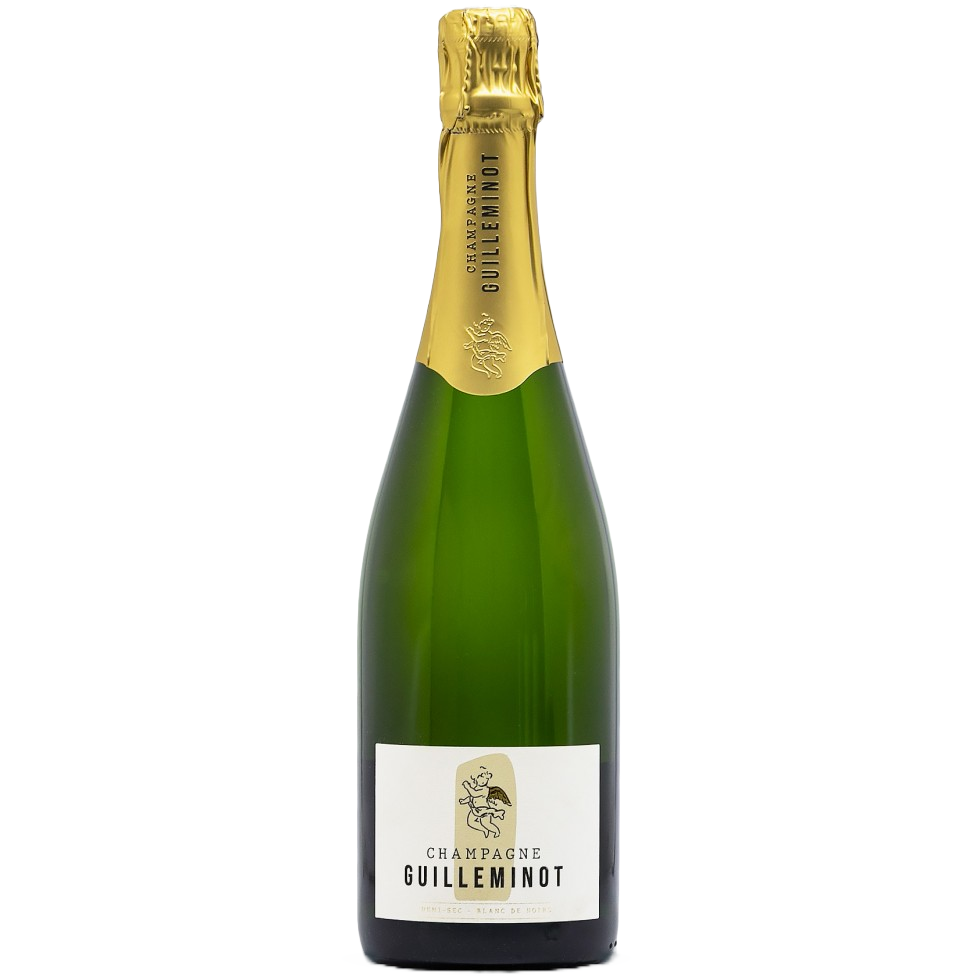
Very typical and traditional Champagne from a small family winery, very appreciated by French families for the smaller occasions just as well as for weddings or large celebrations.
TASTING NOTES:
Full flavored, semi-sweet and fruity classic Champagne
Its color is limpid and brilliant and reveals slight gold reflections.
Very expressive nose, typical of the Pinot Noir grape, reveals slightly floral notes.
The mouth, fuller and rounder than our Brut Tradition vintage reveals a biscuit finish note.
The assembly is similar to that of our Champagne Brut.
It is made up of around 80% of wines from the harvest, and 20% of the year from reserve wines.
SERVING SUGGESTIONS:
Ideal to accompany your desserts.
Recommended serving temperature: 8 ° C
Item 124

GRAPE VARIETY:
100% CHARDONNAY
TASTING NOTES:
The Chateau de Maligny Chablis is a very clean Chardonnay wine. Fresh, crisp and light, its mineral citrus and fruity aromas develop easily with a full finish.
SERVING SUGGESTIONS:
Chablis is most enjoyable as an aperitif and will be in perfect harmony with a grilled fish, fresh seafood, shrimp Kelaguen, or even with fish tacos.
To experience its full potential, serve chilled (but not too cold) at about 45 degrees.
THE WINERY:
ESTATE AND FAMILY HISTORY: The Durup family, expert Chablis wine growers for generations, have cultivated the vineyards since the 15th century. The Jean Durup family estate is renowned for making the finest vintages from Chablis and this delightful Durup Chablis captures the very essence of the Burgundy region of France, with more acidity and flinty notes due to the cooler winter climate and limestone rich soil. Made with hand picked Chardonnay grapes and produced using traditional wine making techniques, Chablis Durup is full of character with a light oak notes and will certainly benefit from some bottle age.
The Durup estates in this Chablis appellation cover more than 110 ha. It is the most important area of the Chablis vineyard. This vineyard with an average age of 25 to over 30 years is located on the best coasts surrounding the Serein valley. A good half of the production of this appellation is located in the town of Maligny. It extends on hillsides mainly exposed to the south and west.
WINEMAKING: After settling, the vinification (fermentation under temperature control) is done in fiberglass or stainless steel tanks to keep the wine its natural character.In the purest respect of the Chablis tradition: no barrel aging; the objective, in our vinification, is to preserve the natural character of the wine from our terroirs without the slightest foreign contribution.
Item 402

PDO: Chablis GRAPE VARIETY:
Chardonnay
WINEMAKING: Vinification combining technical advances and respect for an age‐old tradition.
TERROIR: The area in this appellation is concentrated in the town of Maligny. It is located in famous places such as the Ardillier , the Grande Côte , Bois Séguin and the Dead Man . The exhibition is oriented to the west. However, some plots look south and are generally located in small valleys whose micro‐climate favors concentration and richness.
BREEDING : Always in vats, respecting the Chablis tradition.
COMMENT: It is a round, supple wine with a good structure typical of Chablis Premiers Crus. TIPS: This Chablis 1er Cru goes perfectly with butter or cream fish.
KEEP : Its roundness and flexibility allow you to enjoy it now; as it is a Chablis Premier Cru, it will gain by aging a few years to express itself at its fair value.
Item 405

GRAPE VARIETY: 100% Chardonnay
Chablis Alc / vol: 12.5%
TASTING NOTES:
It is a wonderfully well rounded and supple wine. A Chardonnay in its purest rendition. Unobstructed full flavored, yet light and fresh, with a clean long finish.
Due to its micro‐climate, its essential aromas are mainly the white flower and the rose.
SERVING SUGGESTIONS:
Most enjoyable with fish dishes in sauce (not very spicy) or simply broiled or poached which goes very well with this wine.
For example, poached Parrot fish paired with the Chablis Vignes de la Reine would make an exceptional pairing.
The finesse of the fish and its sauce combine wonderfully with the roundness of the wine. It can also go well with dry goat cheeses.
To experience its full potential, serve chilled (but not too cold) at about 45 degrees.
Can be kept 3 to 5 years.
THE WINERY:
Durup family History: This vine was once, like the Castle of Maligny, the property of Marie‐Casimir d'Arquien who under the reign of the “Sun King” Louis XIV, became by marriage queen of Poland. Jean Durup, whose great‐grandfather was in the XIXth century, the last manager of the vineyard of the Château de Maligny , already at the time one of the most famous, deployed for years, treasures of energy to reconstruct it step by step .
This cuvée comes from an exceptional plot located in the Chablis appellation.
TERROIR: This plot is located in a very narrow valley (also called Mignotte valley ) in which there is a particular micro‐climate. The rays of the sun hit the poor and stony soil of the valley which stores this heat to restore it in favor of the clusters.
WINEMAKING: In order to stay close to Mother Nature and in order to preserve all of its natural characteristics in wine, vinification takes place only in vats and does not go through the wood.
Item 404

GRAPE VARIETY: Chardonnay.
TASTING NOTES:
The Petit Chablis is a pleasant fresh Chardonnay wine, with a very present minerality and floral aromas. It has a good attack accompanied by a significant aromatic persistence on the palate.
SERVING SUGGESTIONS:
It will express itself very well, alone as an aperitif or with cold meats, seafood, fish or dry goat cheese.
Contrary to popular belief, Petit Chablis, which has good acidity, has the ability to maintain its freshness for many years. It is not necessarily a wine to be consumed quickly as we often think.
To experience its full potential, serve chilled (but not too cold) at about 45 degrees.
THE WINERY:
The Durup family History: the Castle of Maligny, was the property of Marie‐Casimir d'Arquien who under the reign of the “Sun King” Louis XIV, became by marriage queen of Poland. Jean Durup, whose great‐grandfather was in the XIXth century, the last manager of the vineyard of the Château de Maligny , already at the time one of the most famous, deployed for years, treasures of energy to reconstruct it step by step .
THE TERROIR:
The Little Chablis of the domains are produced on a little more than twenty hectares. The representative vines of this appellation have an average age of 25 to 30 years.
Harvested at perfect maturity and immediately pressed.
WINEMAKING: After settling, the vinification (fermentation under temperature control) is done in fiberglass or stainless steel tanks to keep the wine its natural character.
BREEDING : Wood is not used in order to remain close to the terroir and the traditional aromas of Chablis wines. The objective is to preserve the natural character of the wine from our terroirs without foreign input.
Item 401

Saint-Émilion Grand Cru
A Château steeped in history
Characteristics
Appellation : Saint-Émilion Grand Cru Classé
Owners : 1978 Jean-François Janoueix
Area under vine : 9 hectares
Grape varieties : 70 % Merlot, 30 % Cabernet Franc
Barrels : 45 (4500 boxes)
Sales : Joseph Janoueix
Food pairing
The Chateaux Joseph Janoueix has had the honour of being present at the Elysée, Matignon and Senate meals for a very long time. Here are a few menus that have been served at prestigious dinners.
We advise you to taste our wines with the following dishes, expect a good marriage...
COQ AU VIN DE MARIE-ANTOINETTE JANOUEIX
Geographical location
the vineyard benefits from a beautiful micro-climate. It is protected from northerly winds by the hill of Château Quintus, Grand Cru Classé from which it is separated only by the national road 670 A, Libourne/Bergerac. Its situation optimises the evolution of the maturity of the grapes, allowing Saint-Emilion to reach exceptional levels.
Soil type
siliceous on gravelly, ferruginous subsoil so precious for the aromas of wine.
Grape varieties
70% Merlot for roundness, 20% Cabernet Franc for elegance, 10% Cabernet Sauvignon for the framework.
Character of the wine
wine with fine bouquet and great finesse, quickly giving an excellent bottle, which can still be kept for 10 to 25 years depending on the vintage. Château Castelot was awarded the Trophée des Honneurs by the town of Saint-Émilion. Its name was given to it by Henry IV in 1578.
Visit all year round by appointment to the Henry IV Museum and the Conservatoire de l'outil rural.
Tasting notes
By renowned oenologists Michel ROLLAND and Stéphane TOUTOUNDJI (GAULT & MILLAU)
2016 - EXCELLENT WINESBeautiful dark red colour. Straightforward, fresh attack. Fine woody finish.2015 - AN EXCEPTIONAL YEARThe attack, both time frank and fresh, takes us over the fullness. The finish is warm.
2014 - A GOOD VINTAGE RICH AND SMOOTHNose magnified by elegant woody notes. Gourmet and fresh mouth.
2013 - SEDUCED BY ITS BALANCE. ADORABLE WINESFull-bodied mouth with sweet tannins and a hint of elegantly toasted oak. Enchanting wine.
2012 - A YEAR OF MERLOT, PLEASURE IN THE RAW STATEThe full-bodied wine on the attack evolves on a very harmonious balance.
Awards
Harvest 2015 Gold Medal at the Feminalise Competition 2017
Harvest 2015 Bronze Medal Agricultural Show 2017
Harvest 2013 Bronze Medal at the Feminalise Competition 2015
Harvest 2013 Bronze Medal Agricultural Show 2015
Harvest 2012 Silver Medal at the Feminalise Competition 2014
Harvest 2012 Bronze Medal Independent Winegrowers’ Competition 2015

Grape varieties: 70% Merlot, 30% Cabernet Franc, blend
Appellation: Bordeaux Saint-Émilion Grand Cru Classé
TASTING NOTES:
Providing a nice balance, finesse, elegance and structure with a smooth long finish.
SERVING SUGGESTIONS:
This splendid Saint. Emilion Grand Cru makes perfect pairings with beef, whether roasted, grilled, braised or stewed as well as with game meats, chicken, veal, pork, and with a myriad of hard or soft cheese.
Serve at room temperature, but not warm (68 to 70 degrees is ideal).
Best if decanted or opened 30 minutes to two hours before serving.
The spirit of Family: Tradition and quality.
The Joseph Janoueix family has been perpetuating the art of vines and wine for over 100 years. The reputation of its wines has been built by the constant search for quality and respect of its customers. The Joseph Janoueix house remains united and continues to perfect the company.
Geographical location:
Beautiful property located on the prestigious town of Saint Emilion.
On the first cadasters in 1811, the vineyard was already mentioned.
Area under vines : 18 hectares
Soil‐type: Silty clay
Aging: In French oak barrels
Item 624

Saint-Émilion Grand Cru
A great Wine with class
Characteristics
Appellation : Saint-Émilion Grand Cru Classé
Owner : 1964 Jean-François Janoueix
Grape varieties : 70% Merlot for roundness, 30% Cabernet Franc for elegance
Sales : Joseph Janoueix SA or at the estate.
Food pairing
The Chateaux Joseph Janoueix has had the honour of being present at the Elysée, Matignon and Senate meals for a very long time. Here are a few menus that have been served at prestigious dinners.
We advise you to taste our wines with the following dishes, expect a good marriage...
Geographical location
Dominating to the east the medieval city of Saint-Émilion, just 500m away, the vineyard of Vieux Sarpe sitting on a beautiful limestone plateau is situated between Trottevieille, the 1st Grand Cru Classé and Haut Sarpe, which is itself Grand Cru Classé.
Soil type
Clay-limestone on a marine limestone base with asters, which outcrops in places at the top of the hillside.
Grape varieties
70% Merlot for roundness, 30% Cabernet Franc for elegance
Tasting notes
By renowned oenologists Michel ROLLAND and Stéphane TOUTOUNDJI (GAULT & MILLAU)
2016 - EXCELLENT WINESBlackcurrant and black cherry aromas. Well structured mouth. Powerful and greedy finish.
2015 - AN EXCEPTIONAL YEARThe attack is supple and the mouth greedy, ample. Fruity aromas.2014 - A GOOD VINTAGE RICH AND SMOOTHBeautiful aromatic freshness. The attack in the mouth is balanced.
2013 - SEDUCED BY ITS BALANCE. ADORABLE WINESRound mouth with a melted tannic structure, the wine has a nice length.
2012 - A YEAR OF MERLOT, PLEASURE IN THE RAW STATERound on the palate with silky tannins that extend for a long time on toasted notes.

Pomerol
A Pomerol château reaches the highest distinction
Characteristics
Appellation : Pomerol
Owners : 1972 Famille Jean-François Janoueix
Area under vine : 1,9 hectares
Grape varieties : 85% Merlot for roundness, 15% Cabernet Franc for elegance
Barrels : 9 (900 boxes)
Sales : Joseph Janoueix SA and directly from the estate
Food pairing
The Chateaux Joseph Janoueix has had the honour of being present at the Elysée, Matignon and Senate meals for a very long time. Here are a few menus that have been served at prestigious dinners.
We advise you to taste our wines with the following dishes, expect a good marriage...
GRILLED SIRLOIN AND ITS CELLAR MASTER SAUCE
Geographical location
Remarkably exposed on the south side of the famous Pomerol plateau, the terroir of Croix Toulifaut is situated between Château Beauregard in Pomerol and Château Figeac, Saint-Émilion 1er Grand Cru Classé.
Soil type
sandy on a ferruginous background with very large quantities of "clinker" hardpan whose influence is pleasantly felt in the ageing of the great wines of Pomerol.
Grape varieties
85% Merlot, for roundness, fullness and fruit aromas and 15% Cabernet Franc, for elegance, structure.
Character of the wine
advice from Michel Rolland, whose expertise as an oenologist is well known: elegance, finesse, velvety, subtlety of the Croix Toulifaut have something discreetly feminine; it is, according to Jean-Luc Pouteau, voted best sommelier in the world, "the Princess of Pomerol".
Tasting notes
By the renowned oenologists Michel ROLLAND and Stéphane TOUTOUNDJI (GAULT & MILLAU)
2016 - EXCELLENT WINESRuby colour, elegant. Intense bouquet with aromas of blackcurrant and cherry. Toasted finish and crisp tannins.
2015 - AN EXCEPTIONAL YEARThis wine is distinguished by its frankness. A toasted finish and felted tannins.
2014 - A GOOD VINTAGE RICH AND SMOOTHNez de fruits, accompagné par des notes grillées. Bouche ample et soyeuse avec des tanins agréables.
2013 - SEDUCED BY ITS BALANCE. ADORABLE WINESRound mouth with melted tannins Guide Dussert-Gerber Prix d’Honneur 5 hearts.
2012 - A YEAR OF MERLOT, PLEASURE IN THE RAW STATEThe mouth is round and full of charming tannins with a long and elegant finish
Awards
Harvest 1999 Gold Medal Paris Agricultural Show 2001 (out of stock)
Harvest 2011 Gold Medal at the Foire de Paris 2014
Harvest 2013 Silver Medal at the Feminalise Competition 2015

This world-famous Chateau La Croix has had the honor of being served at French state dinners like the Elysée Presidential palace, Matignon ministry and the French Senate for a very long time.
Grape varieties: 90 % Merlot for roundness, 10 % Cabernet Franc for elegance
Appellation: Pomerol
Annual production: 45 barrels (4500 cases)
TASTING NOTES:
Chateau La Croix, known for its powerful structure and deep flavors. Dark fruits and berries such as plum and blackcurrant are commonly used to describe the flavors of this elaborate ever so elegant Pomerol. Tannins tend to be relatively high, offering a firm structure.
SERVING SUGGESTIONS
This best of its class Pomerol pairs wonderfully with the majority of braised, roasted or grilled meats ranging from beef, veal, pork and game, as well as soft strong cheeses.
Serve at room temperature, but not warm (68 to 70 degrees is ideal). Best if decanted or opened 30 minutes to two hours before serving.
The winery, spirit of Family:
The vineyards of Château La Croix can today give the best of themselves, that is to say one of the greatest wines of Pomerol.
Tradition and quality, since the acquisition of Château La Croix by Joseph, Marie‐Antoinette and Jean‐François JANOUEIX, Château La Croix has taken on the value of a symbol: that of continuity at the head of the estate and over three centuries of a wine‐growing elite.
The Joseph Janoueix family has been perpetuating the art of vines and wine for over 100 years. The reputation of its wines has been built by the constant search for quality and respect of its customers. The Joseph Janoueix house remains united and continues to perfect the company.
The restoration of the property testifies to this "Joseph Janoueix style", i.e. a synthesis of wine and wine production between modernity and fidelity to the land.
Item 628

Pomerol
A Pomerol to be tasted religiously
Characteristics
Appellation : Pomerol
Owner : Joseph Janoueix family
Area under vine : 0,84 hectare
Grape varieties : 100% Merlot for roundness
Ageing : only in new oak barrels
Barrels : 4 (400 boxes)
Sales : Joseph Janoueix SA and directly from the estate
Food pairing
The Chateaux Joseph Janoueix has had the honour of being present at the Elysée, Matignon and Senate meals for a very long time. Here are a few menus that have been served at prestigious dinners.
We advise you to taste our wines with the following dishes, expect a good marriage...
GOOSE STUFFED WITH DRIED FRUIT IN THE STYLE OF FRANÇOISE JANOUEIX
Soil type
Sandy on a very ferruginous background.
Grape varieties
Merlot only like the famous Pétrus.
Average production
It is practically "La Romanée Conti" of Pomerol, about 5000 masterpieces bottled at the estate.
Character of the wine
Delicate, elegant and complex nose. Beautiful Bottle that brings together what can be expected from a good Pomerol, complexity and remarkable structure. This vintage ranks among the greatest wines. Only its small size prevents the world from knowing it.
The past
On April 19, 1514, Jean de Valon, abbot commander of the Order of Malta, appointed Brother Mathieu Bossuet, a native of the parish, to the parish of Saint-Jean de Pomeyrol, a man who was "recommended by the zeal of his religion, the honesty of his life and morals and other honourable gifts of virtue". This holy man often went to a beautiful enclosed vineyard in the tenement of Jougla to read in the calm and serenity his breviary and to recite "The Litanies" of the Blessed Virgin Mary, Saints in general and Saint Vincent, patron saint of winegrowers in particular. It was the winegrowers themselves who named this place Le Clos des Litanies after their pious priest.
Tasting notes
By renowned oenologists Michel ROLLAND and Stéphane TOUTOUNDJI (GAULT & MILLAU)
2016 - EXCELLENT WINESMouth with a dense tannic structure, harmonious oaky, round finish.
2015 - AN EXCEPTIONAL YEARSappy fullness with a spherical mouth that possesses volume and freshness and a nice floral return. (Bettane et Desseauve)
2013 - SEDUCED BY ITS BALANCE. ADORABLE WINESThe nose and the mouth are fresh. Round and smooth wine
Awards
Harvest 1986 Gold Medal Concours des grands vins de France 1988 (out of stock)

Characteristics
Appellation : Côtes de Castillon
Owner : Jean-Pierre Janoueix
Area under vine : 18 hectares
Grape varieties : 85% Merlot for roundness, 12% Cabernet Franc for elegance, 3% Cabernet Sauvignon for the framework
Barrels : 82 (8200 boxes)
Sales : Joseph Janoueix SA and directly from the estate
Food pairing
The Chateaux Joseph Janoueix has had the honour of being present at the Elysée, Matignon and Senate meals for a very long time. Here are a few menus that have been served at prestigious dinners.
We advise you to taste our wines with the following dishes, expect a good marriage...
Geographical location
Château La Gasparde is situated on a hillside of the Côtes de Castillon, on the border of secondary road 17, and extends over 18 hectares in one piece on the commune of Gardegan and Tourtirac. From the Château, the exceptional view extends over the slopes of the Dordogne, where you can see the Château de Michel Montaigne.
Soil type
shallow clay-limestone, difficult to work because of the numerous boulders and subsoil with asters most favourable to the vine, is a typical example of the geological structure that Professor Henri Enjalbert loved. The twin of the terroir is found to the west in the extension of the hillside at the same altitude in the classified Grands Crus of Saint-Emilion.
Grape varieties
85% Merlot for roundness, 12% Cabernet Franc for elegance, 3% Cabernet Sauvignon for the framework.
Awards
Harvest 2006 (oak barrels) Diploma awarded at the Féminalise Competition in April 2008 in Beaune.
Harvest 2007 (oak barrels) Silver Medal au Féminalise Competition 2009 in Beaune.
Harvest 2009 Gold Medal at the Féminalise Competition 2011 in Beaune.
Harvest 2009 (oak barrels) Gold Medal at the Féminalise Competition 2011 in Beaune.
Harvest 2011 Cuvée Prestige Gold Medal at the Féminalise Competition 2015

Appellation : Saint‐Émilion
Grape varieties :
70 % Merlot for roundness, 30% Cabernet Franc for finesse and elegance
A Bordeaux Blend, at its most basic, is any combination of those grape varieties typically used to make the red wines of Bordeaux.
TASTING NOTES:
Medium heavy bodied red wine, balanced and elegant.
Powerful structure and deep smooth flavors. Dark fruits and berries such as plum and blackcurrant.
Tannins tend to be moderately high, giving a firm structure.
SERVING SUGGESTIONS:
Most appreciated when served with various meats, especially dishes prepared with wine, mushroom or port wine sauce.
Serve at room temperature, but not warm (68 to 70 degrees is ideal).
Best if decanted or opened 30 minutes to two hours before serving.
WINERY NOTES:
Château Haut‐Castelot, Saint‐Emilion, is owned by Jean‐François Janoueix.
It is the second wine of the Château Castelot, Saint‐Emilion Grand Cru, because the Chateau Haut-Castelot vines are still young.
The vineyard benefits from a nice micro‐climate thanks to its ideal exposure. Its situation optimizes the maturity of the grapes, allowing Saint‐Emilion to reach exceptional levels. The harvest is picked and sorted by hand.
Soil type: Siliceous on gravelly and ferruginous subsoil (so precious for wine aromas)
Item 622


GRAPES VARIETIES:
78% Merlot
22% Cabernet Sauvignon
TASTING NOTES:
Intense nose of red berries with a hint of vanilla and toasted aromas.
Pleasant mouth with an elegant tannic structure offering notes of black fruits and a toasted finish.
SERVING SUGGESTIONS:
Will pair nicely with all kind of meats (prime rib, pork shank, roasted poultry), and perfumed cheeses like goat cheeses.
Serve at room temperature, but not warm (68 to 70 degrees is ideal).
Best if decanted or opened 30 minutes to two hours before serving.
Aging potential: 3 to 6 years.
WINERY:
Age of the vines: 32 years in average
Parcel selection of 15-ha on the 49-ha vineyard (39 acres on 127 acres)
Sandy‐clay soils on chalky limestone
Double Guyot, yield limits: 40‐45 hl/ha, 1,2 meters foliar surface Grass growing vineyard / Leaf removal by hand
WINE MAKING:
19‐days maceration with semi‐daily pumping over Fermentation in thermo‐regulated tank at 28°C 12 months in French oak barrels (33% being new)
Item 604

GRAPE VARIETIES:
The 2016 vintage is a blend of 60% Merlot and 40% Cabernet Sauvignon.
TASTING NOTES:
With a red garnet robe the nose opens with notes of cherries and sweet spices.
Incredibly smooth, the palate is distinguished by flexibility and a very nice balance with a finish carried by tannins still a little firm but with great vivacity.
SERVING SUGGESTIONS:
Ideal with all types of meats, particularly with prime rib, BBQ steak and chicken, potatoes and even red rice. Pairs well with soft creamy cheeses like Brie.
The full flavor potential will best be revealed if opened at least 30 minutes before serving, or decanted. Serve at cool room temperature, but not warm (68 to 70 degrees is ideal).
THE WINERY:
Château Haut Selve is the only creation of a vineyard in Bordeaux in the 20th Century.
The vineyard was planted in the historical Graves Appellation area over a pine forest where vines used to grow 120 years ago.
Density: 2250 vines/acre
Pruning : double guyot
Sun exposed leaf area up to 3.2 acres
Organic manure (fava beans and oats) and then scraping of the soils Sustainable agriculture. INDIVIDUAL PLOT VINIFICATION AND AGEING
3 weeks of maceration. Stirred twice a day the first week and then daily.
Controlled fermentation at 86°F
Ageing: 12 months in French oak barrels
121,542 bottles of the vintage 2016 were produced, bottled and numbered at Château Haut Selve in May 2018.
Item 601

GRAPE VARIETIES:
57% of Cabernet Sauvignon & 43% of Merlot BLEND
TASTING NOTES:
With beautiful cherry tints and orange reflects, this wine offers an intense nose of jammed morello cherry with elegant woody notes. Supple and structured, the palate
is well balanced by ripe tannins offering a great ageing potential.
SERVING SUGGESTIONS:
Pairs perfectly with red meats, wild games, dark stews like beef Burgundy or even chicken Estufao, creamy or dry hard cheeses.
The full flavor potential will best be revealed if opened at least 30 minutes before serving, or decanted. Serve at cool room temperature, but not warm.
THE WINERY:
Sensual and aesthetic, Château Haut Selve is the only 20th century vineyard in the Bordeaux area. Each step was carried out as if it were a piece of art, combining modernity and classicism. The history of art and wine is the particularity of that property that, 10 vintages later, is recognized as being one of the 5 best in the Graves region of Bordeaux.
It is our wish to be innovating in the creation of Château Haut Selve that guide us every day.
THE TERROIR:
Deep graves (62%) and heavy lime graves (38%) VINEYARD
2,5 hectares on 45 of the property Average production: 10 000 bottles
Pre-fermented cold maceration of 4 days, to extract aromas Alcoholic fermentation controlled between 26 and 28°C Total maceration between 3 and 4 weeks
Malolactic fermentation in oak barrels. Ageing: 12 months, in new French oak barrels
Item 602
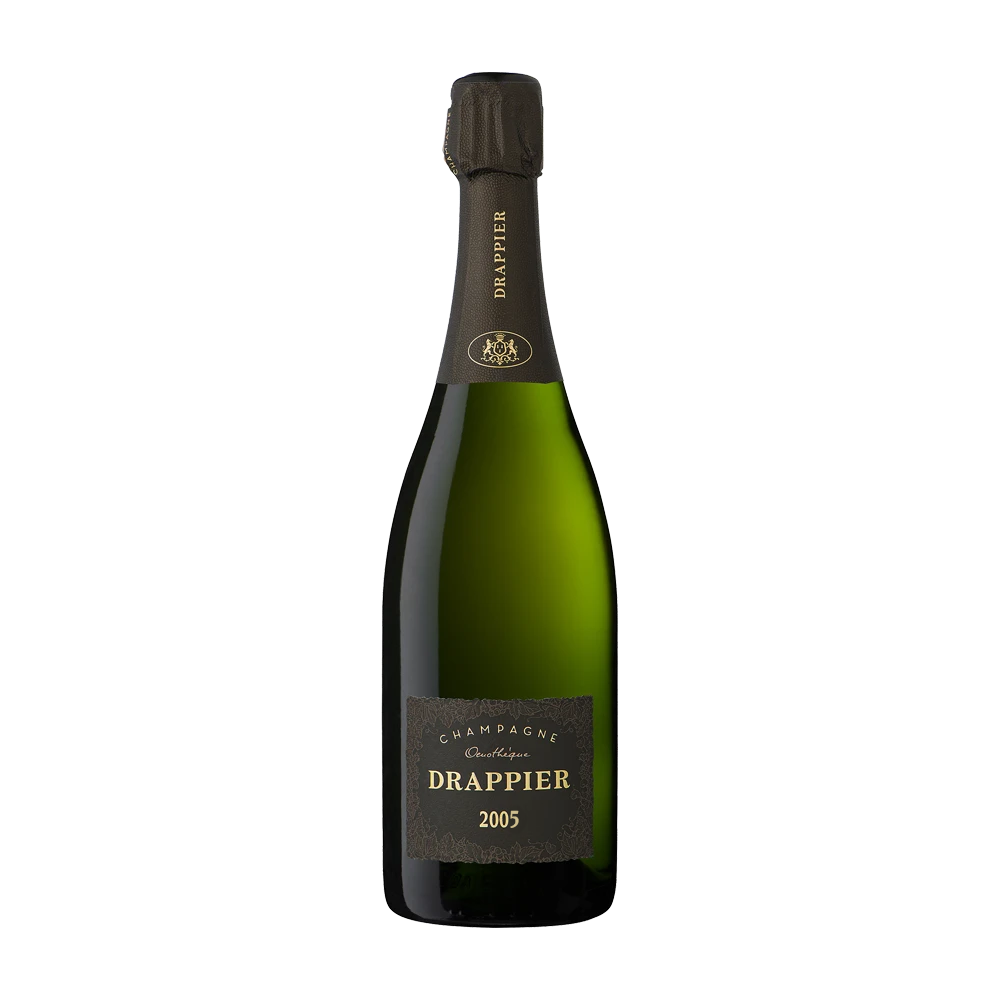


69% Pinot Noir and 31% Chardonnay. The Pinot Noir comes from our vineyard “Le Léon” in Ay, and the Chardonnay from Mesnil-sur-Oger.
A portion of the wines are vinified in wooden barrels without malolactic fermentation to preserve the wine’s freshness, allowing it to develop complexity. Both ample and tangy, this cuvée is eminently suitable for low dosage, extra brut, with only 4.25 g/litre, which is just one third of the conventional dosage for a brut champagne.
Aged for eight years. After this time, the freshness is still apparent, but the benefit of aging on lees has reached full potential.
TASTING
To the eye: Light gold in colour.
With the nose: An intense, floral nose, with notes of fruit blossom, cherry, elderflower and hints of violet.
With the mouth: Expressive and generous, it offers dark fruits aromas (blackberry, ripe—even candied—blackcurrant, black cherry) combined with notes of almond, hints of dried fruit and nuts. The finish is remarkably fresh for the vintage.
Pairing: A perfect match for filet of venison. Cuvée 1552 is wonderfully full-bodied, making it an excellent champagne to accompany meals. Serve chilled but not too cold, around 8 to 9°C as an aperitif or 10 to 12°C to accompany a meal.
After optimal cellar aging, Cuvée 1522 can be kept for at least ten years in a cool and dark place, to develop in roundness and complexity.
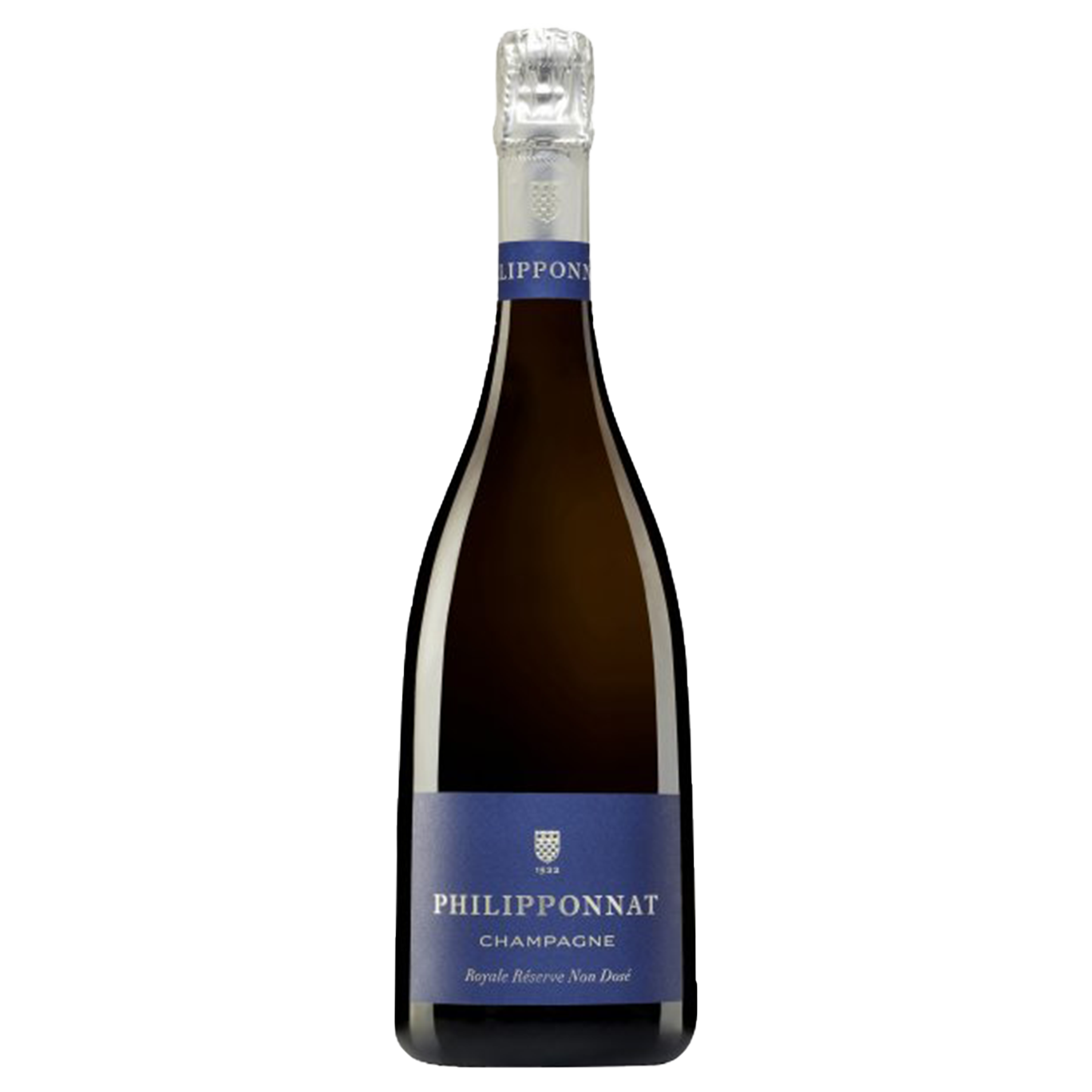
65% Pinot Noir, 30% Chardonnay, 5% Pinot Meunier. First press juice of mainly Grand and Premier Crus grapes from the heart of the Champagne wine-growing area. 20% to 30% of reserve wines are aged in wooden barrels using the solera system to incorporate older wines without losing freshness.
Vinified using traditional methods to avoid premature oxidation. Partial malolactic fermentation and reserve wines aged in casks to allow the aromas to develop complexity. Undosed (0 g/litre) to reveal the wine's full character and purity.
Aged on the lees in the House’s cellars at a constant temperature of 12°C for three years, far longer than the legal minimum requirement of 15 months.
To the eye: Pale gold in colour. Delicate, lingering froth.
With the nose: Aromas of linden, vine blossom and hawthorn.
With the mouth: The attack is bold and pure, with notes of citrus fruit and great liveliness without aggressiveness. The finish is long and clear with notes of warm bread and fresh apple.
Pairing: As a refreshing aperitif, served chilled but not ice-cold (8°C). Enhances raw fish and seafood. An ideal complement to Japanese cuisine.
Royale Royale Non Dosé expresses its full intensity in the 6 to 18 months after disgorging. This wine is also suitable for aging for several years.

75% Pinot Noir, 20% Chardonnay, 5% Pinot Meunier. First press juice of mainly Grand and Premier Crus grapes from the heart of the Champagne wine-growing area. Reserve wines (25 to 30% of the blend) are aged in wooden barrels using the solera system to incorporate older wines without losing freshness.
Vinified using traditional methods to avoid premature oxidation. Partial malolactic fermentation and some of the wines aged in casks to allow the aromas to develop complexity. Still red wine made from Pinot Noir grapes from Mareuil-sur-Ay and Riceys is obtained by maceration and 7 to 8% is added to obtain a delicately coloured rosé with a very definite fruity taste. Moderate brut dosage (9 g/litre) to maintain a balance between freshness, fruitiness and vinosity without masking the wine’s character and purity.
Aged on the lees in the House’s cellars at a constant temperature of 12°C for three years, far longer than the legal minimum requirement of 15 months.
TASTING
To the eye: Salmon pink in colour with coppery glints. Delicate, creamy and lingering froth.
With the nose: The first nose reveals summer berries with notes of cherry and wild strawberry. Notes of citrus and grapefruit peel develop with time.
With the mouth: The attack is elegant and pure. Full and ample on the palate, with good acidity and a light astringency that brings out the fruitiness.
Pairing: As an aperitif, served chilled but not ice-cold (9°C). Enhances smoked fish and meats (ham, bacon) or pink meat (veal, lamb). An ideal complement to summer berry desserts, either served plain or as a soup.
To be enjoyed young to appreciate its full fruitiness.
Royale Réserve Rosé will also age magnificently for several years thanks to the expertise employed in blending it.


GRAPE VARIETIES
Organic Cabernet, Syrah, Cinsault, Grenache
VINIFICATION
Destemmed and cooled, the harvest is immediately pneumatically presses at low pressure. Fermentation and racking controlled at 17°C in thermo‐regulated stainless steel vats for 15‐20 days. Matured and filtered. ottled in February.
TASTING NOTES
A pale salmon pink robe with a flaterring bouquet of citrus and red fruits. Smooth and fresh, evoking the juiciness of apricots and grapefruit on the palate.
FOOD PAIRING
Serve with mediterranean style and spicy dishes. Keeping : 1 to 2 years Serve between 8 and 10°C.
Item 301

Terrior
Schist soil, veined with white quartz
GRAPE VARIETIES
Organic Mourvèdre, Cinsault, Grenache
This wine is produced from grapes harvested uniquely on the Domaine which is certified organic (ECOCERT) since 1979.
VINIFICATION
Each variety is harvested and vinified seperately. The harvest is carried out respecting technical criteria to determine the perfect balance between the PH, total acidity and the phenolic maturity in the must.
Destemmed and cooled before pneumatic pressing at low pressure. The first juices are selected and racked at 15° C. The alcoholic fermentation is regulated at 17° in stainless steel vats. Fining and blending is followed by a cooling technique which prevents any sediment forming. It is then filtered and bottled in mid‐february.
TASTING NOTES
A most delicate rosé with a pale and limpid robe. An expressive bouquet that exudes Provence, with aromas of spicy citrus fruit, strawberry, apricot and white peaches. Light, fine, smooth and silky.
FOOD PAIRING For elegant aperitifs, with shell fish or roasted white meats. Keeping : 2 to 3 years
Serve between 8 to 10°C
Item 302


GRAPE VARIETY:
Sauvignon Blanc
Appellation: POUILLY FUMÉ
TASTING NOTES:
Appearance: White gold with bright silvery highlights.
Nose: First nose is intense: passion fruits, mango with a fresh and Narcissus floral hint. On aeration, the wine shows delicacy with soft flesh fruits flavors, crispy apricot or grapefruits, pleasantly highlighted by a mineral and peppery finish.
Palate: Frank attack. It offers a slightly acid frame, with a pleasant aromatic richness. Intense notes of citrus can be revealed, recalling the nose, enriched by hints of lemon. The finish is clear, crystalline, playing with notes of green pepper, which pleasantly highlight the minerality of this vintage.
SERVING SUGGESTIONS:
This wine is recommended to be served with seafood, fish dishes, white meat, and is also enjoyable with creamy sauces and soft goat cheese. Serve cold at about 50 degrees F.
THE WINERY:
An historic estate with records dating back to 1396, the Château de Tracy is owned by the Comte and Comtesse d'Estutt d'Assay, whose ancestors, the Stutt family came from Scotland in the 15th century to help the future King Charles Vll of France during the Hundred Years War.
Château de Tracy has been run by the same family since the 14th century. Records of the property go back to 1396. In 1586, François Stutt married Françoise de Bar who brought him as a dowry the seigneury of Tracy. By their wedding, the descendants of the Comte d’Assay and his young brother, François Stutt, current owners of the Château de Tracy, get together two branches of a one and only family separated during four centuries. Nowadays, this particular vineyard is still planted with Sauvignon and is still a “key part” of the Domaine.
The Domaine consists of 33 hectares on the slopes around the Château itself (terroir of flint) and those of Vilmoy, a few kilometers away from Pouilly-sur-Loire (Kimmeridgian limestone terroir). To the north of the Pouilly Fume area, on the hillsides which overlook the Loire, the Château de Tracy vineyard extends from "Tracy hill" to the "Champs de Cris" plateau.
Item 421


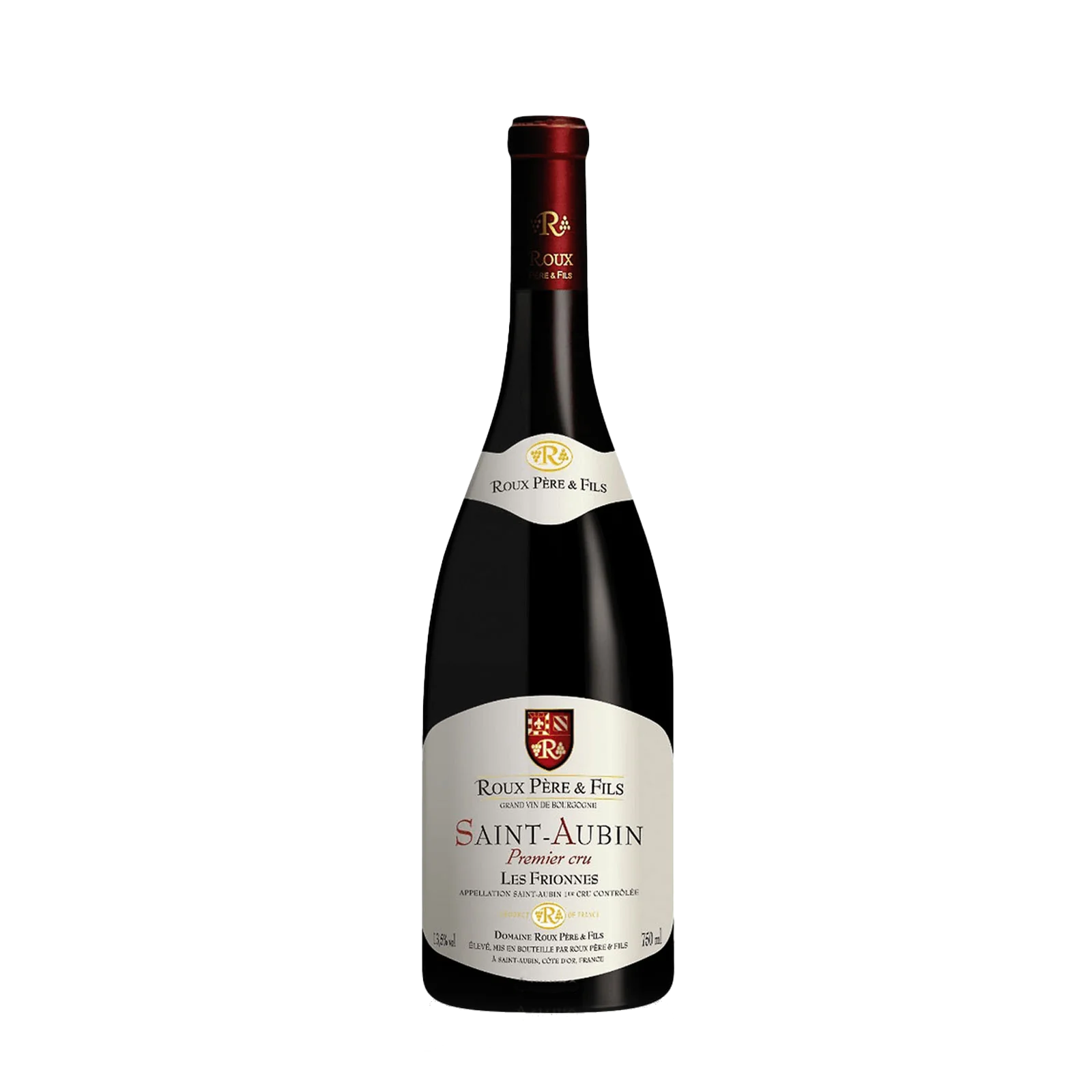


GRAPE 100% Pinot Noir
ORIGIN & SOILS A close neighbour of Montrachet, lying between Chassagne and Puligny, Saint-Aubin is a wine-growing village in the southern part of the Côte de Beaune, the heartland of the great white burgundies. The area covered by its communal appellation includes 20 or so Premiers Crus « climats » which fall into several groups. The neighbouring hamlet of Gamay may have given its name to the Gamay grape. The 13th century fortress stands on solid rock from which it seems to draw its strength as the vine draws sap from the soil. The appellation was granted recognition in 1937. The red grapes prefer brownish clays. The slopes are steep in places and face east or southeast. Altitude varies between 300 and 350 metres.
WINE MAKING PROCESS & MATURING Handpicked harvest and first fermentation in stainless steel tank during 15 days. Second fermentation in oak barrels (25-30% new casks). Maturation during 12-13 months in cellar for ageing, stored in barrels.
TASTING NOTES This wine is dark garnet or crimson color, with strawberry cheeks. Its aromas are redolent of blackcurrant, Morello cherry, blackberry. These are set off by spicy notes, sometimes mocha. In the mouth it is fat and silky with a lively finish. Age adds suppleness, warmth and persistence.
SERVING TEMPERATURE 15 to 16°C
FOOD ACCOMPANIMENT Pithy and solid, its virility requires flavourful meats like roast beef or pork, glazed or caramelised poultry, blue cheeses, or even fried fattened goose liver (foie gras) whose richness would be amply balanced by the wine's tannins.
GOOD FOR 20-25 years according to the vintage year.

GRAPE: 100% Pinot Noir
ORIGIN & SOILS: Bourgogne rouge comes from the Pinot Noir grape whose name can be traced back as far as 1375 and which gives birth to all the great red wines of Burgundy. It is delicate, highly valued and needs careful looking after during the growing season. The appellation BOURGOGNE ROUGE dates from 1937 and is grown in 299 communes throughout wine-growing Burgundy.
The Bourgogne Pinot Noir grows and flourishes near more prestigious crus. These close neighbours are separated by only hundreds or sometimes even as little as tens of metres. The vineyards tend to be located along the foot of the wine-growing slopes on limestone soils mixed with some clays and marls. The soils are stony, rocky even, and quick-draining.
VITICULTURE: Vines are located near Saint-Aubin and Puligny-Montrachet villages. Plantation density: 10 000 vine stocks per hectare. Pruning: Guyot. Yield: 50 hectolitres per hectare.
WINE MAKING PROCESS & MATURING: Handpicked harvest. Fermentation in stainless steel tanks. Maturation during 7-8 months in cellar for ageing.
TASTING NOTES: To the eye, the wine is colored - crimson at first then, with age, shading towards dark ruby. To the nose it offers at first a basket of small red and black fruits (strawberry, cherry, blackcurrant, bilberry) later evolving into cooked prune, peppery notes, and notes of animal, underbrush, moss and mushroom. It is lively and structured in the mouth with a well-rounded and supple backbone. Tannins and fruit go hand in hand and the chewiness matches the power of the secondary aromas. This wine has volume and flesh.
SERVING TEMPERATURE: 13 to 15°C
FOOD ACCOMPANIMENT: The Bourgogne Pinot Noir has an elegant and refined character as well as a light and fluid structure in the mouth. It therefore goes with rather delicate dishes that are to some degree aromatic - vegetable salads, meat or poultry tarts, or simmered beef and vegetables (pot-au-feu). Its natural elegance predisposes him towards veal, cold tabouleh, or hard cheeses like Gouda.
GOOD FOR: 3-5 years according to the vintage year.

GRAPE: 100% Pinot Noir
ORIGIN & SOILS: Pommard lies between Beaune and Volnay where the Côte de Beaune makes a slight turn towards Autun. The appellation, one of the first AOC to be so designated (1936), grows only red wines from the Pinot Noir grape.
On the lower ground the soil is ancient alluvium. Mid‐slope, the clay‐limestone soils are well drained thanks to the inclusion of rock debris. Higher still are Jurassic (Oxfordian) marls, brown calcic soils, and brown limestone soils. In places, the soil is reddened by the presence of iron. Exposure : south or east. Altitudes : 250 to 330 metres.
VITICULTURE: Plantation density: 10 000 vine stocks per hectare. Pruning: Guyot. Yield: 45 hectolitres per hectare.
WINE MAKING PROCESS & MATURING: Handpicked harvest and first fermentation in stainless steel tank during 20‐25 days. Second fermentation in oak barrels (30% new casks). Maturation during 15‐18 months in cellar for ageing, stored in barrels.
TASTING NOTES: Pommard is both riche and sensitive. Its colour is the deep with mauve highlights. Its aromas are redolent of blackberry, bilberry, or gooseberry, cherry pit and ripe plum. Often, wild and feline notes develop with age. At full maturity, it tends towards leather, chocolate and pepper. It needs to be given time to open up to its fullest extent and to display its mouth‐filling texture, its firm but delicate structure, its fruit‐filled mouth, and its chewy tannins, which by then will be properly smoothed down.
SERVING TEMPERATURE: 15 to 16°C
FOOD ACCOMPANIMENT: Furred or feathered game, braised or roasted. Thick cut beefsteak, lamb, or stewed poultry will respond to its firm‐textured tannins and concentrated aromas. It is a natural partner for cheeses with well‐developed flavours : Époisses, Langres and Soumaintrain, but also Comté.
GOOD FOR: 10 to 22 years according to the vintage year.

TERROIR:
The largest monopole in Burgundy, Clos Marey-Monge benefits from a unique environment protected by a two-meters-high stone wall. Positioned at the base of the hill of Pommard, the complexity of our vineyard’s soils come from the alluvial, sand and gravels carried along by the Avant-Dheune river thousand years ago. Our blend of the seven cuvées from the limestone and clay-rich terroirs of the clos creates a deep, elegant, and sophisticated Pinot Noir.
APPELLATION Pommard
PLOT SIZE 20 hectares
AGE OF VINES 20 to 120 years
WINEMAKING - Hand-harvested grapes, hand-sorted on a vibrating table - 100% de-stemmed, placed into stainless steel fermentation vats by gravity flow - Weeks-long maceration, minimal pumping-over and punching-down - Pressing in pneumatic press - Placed in French oak barrels for aging on fine lees - Not filtered
HARVEST September 4 to 11, 2017 AGING 16 months in 40% new French oak barrels
PRODUCTION 19,980 bottles
TASTING With its bright and intense ruby color lined with crimson reflections, our Clos Marey-Monge Monopole 2017 is a complex, generous and flavorful Pinot Noir. The nose shows aromas of powder and red fruits, as well as notes of smokiness, all bringing great complexity to the wine. The palate is fresh, revealing firm tannins and a wellrounded structure. Long and sapid while aerial, the finale unveils a vibrant, energetic, and complex Pommard drinkable today, but also ageable for decades.
ALCOHOL 13.5% vol
SERVING TEMP 16°C
DRINKABILITY Now to 25 years

TERROIR
Located in the northern part of Côte de Beaune, Corton is the largest Grand Cru appellation in Burgundy, with territory in the villages of Aloxe- Corton, Pernand-Vergelesses and Ladoix-Serrigny. Positioned facing southeast and southwest, the vineyards of Corton have soils rich in clay and limestone, creating the perfect terroir for Pinot Noir to fully express its beauty and elegance.
APPELLATION Corton
TYPE DE CRU Grand Cru
ALTITUDE 250 to 330 meters
WINEMAKING - Hand-harvested grapes, hand-sorted on a vibrating table - 100% de-stemmed, placed into stainless steel fermentation vats by gravity flow - Weeks-long maceration, minimal pumping-over and punchingdown - Pressing in pneumatic press - Placed in French oak barrels for aging on fine lees - Light filtration HARVEST September 5, 2018 AGING 18 months in 20% new French oak barrels PRODUCTION 1,504 bottles TASTING With its deep purple hue, our Corton Grand Cru 2018 is a Pinot Noir that is fresh, floral, and bursting with energy. The intense nose reveals aromas of violet, fresh rose, morello cherry, cinnamon and clove. The palate is ample, rich and delicate. The tannins are velvety and even show a slight sweetness specific to the vintage. Certainly cut for aging, it would be best to wait a few years before fully enjoying this Grand Cru, even if it is delectable today.
ALCOHOL 13.6% vol
SERVING TEMP 16°C
DRINKABILITY Now to 20 years

TERROIR
Originally planted as an English garden, the 1.29-hectare parcel situated at the foot of Château Micault was eventually transformed into a vineyard. Its vines grow on fine alluvial formations from the Avant-Dheune river and create a fruity Pinot Noir that is enjoyable young.
APPELLATION Pommard
PLOT SIZE 1.29 hectares
AGE OF VINES Around 30 years
WINEMAKING - Hand-harvested grapes, hand-sorted on a vibrating table - 100% de-stemmed, placed into stainless steel fermentation vats by gravity flow - Weeks-long maceration, minimal pumping-over and punchingdown - Pressing in pneumatic press - Placed in French oak barrels for aging on fine lees - Light filtration
AGING 20 months in 20% new French oak barrels PRODUCTION 5,000 bottles
TASTING A pure expression of a lightly oaked Pinor Noir, our Micault 2018 displays a deep ruby color. This cuvée features aromas of red fruit, fresh rose and peony, with a hint of blood orange. On the palate, the tannins are supple and savory. We also find a full-bodied side which leaves a juicy impression in the mouth. Enjoyable today, this Pommard will evolve gracefully over the next 10 years.
ALCOHOL 13.6% vol
SERVING TEMP 16°C
DRINKABILITY Now to 15 years

TERROIR
Divided into two parts, between Prémeaux and Vosne-Romanée, the appellation of Nuits-Saint- Georges includes two very different type of soils. A unique combination, leading to a full-bodied and well-balanced pinot noir.
APPELLATION Nuits-Saint- Georges
REGION Côte de Nuits
GRAPE VARIETY Pinot Noir
WINEMAKING
Once hand-harvested and hand-sorted on a vibrating table, our grapes are de-stemmed and placed into stainless steel fermentation vats by gravity flow, without pumping or crushing, to keep them whole for as long as possible. When the sugar contained in the fruits transforms into alcohol, the wine is extracted and the remaining grapes are gently pressed in our pneumatic press. The aging process can then begin.
ALCOHOL LEVEL 13.5 % vol
AGING 20 months in French oak barrels
TASTING
The nose is clean and intense, with aromas of violets, black cherries, cassis and a hint of leather. The palate also reveals flavors of sweet spices like cinnamon. Nuits-Saint- Georges 2016 is a balanced and concentrated wine with silky tannins and a long and fruity finish. It is approachable now while able to age gracefully for several years.
FOOD PAIRING Game Bird, Pork Ribs, Moussaka
SERVING TEMP 16°C
DRINKABILITY Now to 10 - 15 years


GRAPE VARIETY:
Cabernet Sauvignon, Merlot, Petit Verdot and Cabernet Franc.
TASTING NOTES:
Margaux du Château Margaux 2009 was produced from a great vintage, and possesses all those attributes: a deep, dark color, a rich nose, it is voluptuous, already complex where flowery and spicy hints mingle with those of cocoa. The impression on the mouth reflects the intensity of the aromas; it is full-flavored, rich and impressive, structured by well-softened tannins. The finish is soft, both warm and fresh. This wine is very powerful and concentrated - even more so than the first and second wines, and is quite remarkably open and easy to drink, which is probably owing to the personality of the vintage as much as to the Château Margaux terroir.
MARGAUX 2009 Climate
After a cold, dry winter, the weather turned rainy and cool in April, causing a rather late bud-break and a somewhat slow growth of the vine shoots. As from May 1st however, temperatures rose quite sharply and settled above the seasonal norms, without ever reaching excessive highs. This allowed a quick and successful flowering that promised a very even ripening of the berries. By then a drought had begun to set in, though in these early days we had no idea of how severe and long it would actually be. Very few vintages (apart from the 2005) have been so dry. It hardly rained from July 10th until the end of the harvest on October 14th!
Such dry weather is particularly beneficial to the great terroirs which can regulate the water supply to the vines, and to Cabernet Sauvignon because it is less affected by drought than Merlot. Still, some of the vines planted in lighter and less clayey soils struggled to get their grapes perfectly ripe. While these very dry months had some very hot days, the nights remained rather cool. This contrast helped the tannins and anthocyanins to concentrate in the skins of the red. All the pieces were gradually falling into place to make 2009 a really outstanding vintage. (The picking began September 24th).
THE WINERY:
Château Margaux is one of Bordeaux's most famous wine estates, located just east of Margaux itself in the Médoc. Along with Lafite, Latour and Haut-Brion, it was rated as a first growth in the original 1855 Bordeaux Classification of the Médoc.
Generally, Margaux is considered as the most elegant of the first growths, and is consistently one of the most expensive wines in the world. The Cabernet Sauvignon-dominant blend is complimented with small portions of Merlot, Petit Verdot and Cabernet Franc.
Château Margaux's vineyards have a complex combination of soils that are unique to the area. These consist of chalky clay under a top layer of coarse and fine gravels, which is well-suited to Cabernet Sauvignon, which accounts for around 75 percent of plantings. Merlot makes up a further 20 percent, with the rest planted to Cabernet Franc and Petit Verdot.
As is typical for top Bordeaux estates, the vineyard is densely planted at 10,000 vines per hectare. There are also 12 hectares (30 acres) of Sauvignon Blanc to make Margaux's white offering, Pavillon Blanc, which must be sold as Bordeaux AOP, not Margaux. This compliments the Pavillon Rouge the second wine of which production dates back to the beginning of the 16th Century.
La Mothe de Margaux existed as a distinct property in the 12th Century, and was set up as a wine estate in the 1570s, as farmers in the Médoc began to abandon cereal crops in favor of vines. In 1705, the London Gazette advertised the first auction of 230 barrels of "Margose", and in 1787, Thomas Jefferson made his famous visit to Bordeaux and identified Margaux as one of the "four vineyards of first quality".
By 1800, the estate occupied 265 hectares (655 acres) with a third planted to vines, which remains the situation today. The iconic neo-palladian château, nicknamed "The Versailles of the Médoc", was built in the early 1800s to match the reputation of the vineyard.
In 1977, Château Margaux was bought by the Greek-born cereals trader and grocery chain owner André Mentzepoulos. In a time of economic crisis he began a major program of investment, which was continued upon his death in 1980 by his daughter Corinne and winemaker Paul Pontallier (who joined in 1983). This overhaul allowed Margaux to fully benefit from global economic upturns and the excellent 1982 vintage.
THE VINEYARD
215 acres of appellation contrôlée of which 202 acres planted.
AVERAGE ANNUAL PRODUCTION: Château Margaux: 120 000 bottles (average production).
VINIFICATION: Fermentation in oak barrels. Ageing: 18 to 24 months in new oak barrels.
AVERAGE ANNUAL PRODUCTION:
Château Margaux: 120 000 bottles (average production).
Wine Enthusiast: 2009 Vintage Tasted Jan 2012
98/100
A massive wine for Margaux, packed with tannins and ripe fruit. It has more Cabernet Sauvignon than usual, giving intense black currant flavors with enticing acidity balanced by the sweetness of the fruit. Ripe swathes of this opulent fruit are also elegant and structured.

THE VINTAGE
Product of a tense wine-growing season, with an uneven meteorology that tormented us at times, 2016 is a completely unexpected vintage. Heavy rain followed by a period of droughts had us fear the worst, but thanks to Château Pédesclaux's soil, the specific care given to the vineyard, along with providential turnarounds. All contributed to making 2016 the most awaited vintage since the purchase of the property by Mr and Mrs Lorenzetti in 2009. The quality of the harvest was such that - for the first time - the 4 emblematic grape varieties, Cabernet- Sauvignon, Merlot, Petit Verdot and Cabernet Franc, are all present in Château Pédesclaux's blend.
TERROIR
Garonne gravel on limestone bedrock
VINIFICATION
Gravitary vatting without pressing
Prefermentary cold maceration
Long vatting period
Gravitary vinification without pump A
AGEING
16 months in barrels
60% new barrels, 40% of one wine
VARIETALS
Cabernet sauvignon 48%, Merlot 45%, PetitVerdot 4%, Cabernet franc 3%
SPECIFICATIONS Alcohol content: 13.3
ABV TECHNICAL DATA Age of vines: 35 years old years old pH: 3.61
TASTING NOTES
2016 is the first vintage in the history of Château Pédesclaux to combine the 4 grape varieties in its blend. Intense velvety red color, with a complex nose of unique depth, with notes of blackberry jam, fleshy Burlat cherry, mint and salted butter caramel blend with rhubarb to express a fresh nose. The body is ample and delightful, smooth and sensual, yet keeps being dense. It offers a palatable and salvating texture, backed with notes of spices, licorice, roasted hazelnuts reminiscent of biscuits just out of the oven. The expression of wild berries mixed with wild rose brings the vivacity necessary for a good balance.

TERROIR
Completely situated in the village of Saint-Julien, the vineyard of Chateau Lagrange represents 118 hectares in red vines, spread over two hills with the slopes directed towards the North and the South, in one block. The subsoil is of clay and limestone and the topsoil is of pebbles and gravel. The climate is temperate and oceanic.
THE VINTAGE
The dry, mild spring weather encouraged the budburst although we cannot say this was an early vintage. The flowering and colour change took place in excellent conditions, around the average dates recorded on the property.
Blend
75% Cabernet Sauvignon
17% Merlot
8% Petit Verdot
Planting Density
8 700 to 10 000 vines / hectare
Harvest
From September 21st to October 12th 2015. Grapes are handpicked into individual crates. A first selection is done by hand on whole bunches, and a second one grape by grape with an optical camera.
Vinification
Plot by plot and intra plot vinification in 102 thermoregulated stainlesssteel vats of variable capacity (36 to 220 hl) for 103 plots The selection of batch is conducted according to the varietal, age of vines, terroirs and grapes maturity. Vinification at 2628 °C during 15 to 22 days Moderate pumpingover every day, or delestage or pigeage Malo lactic fermentation through co inoculation
Average age of the vine
42 years
% of first Label
35%
Barrel Ageing
Blending in January Maturation for 21 months. 60 % of new oak barrels Fining in barrel with fresh eggwhites Final blending before bottling
Tasting Window 2022 - 2040

“This vintage is the greatest Lascombes for half a century, to rival the majestic 1945.” Le Figaro
GRAPE VARIETY:
47 % Merlot, 50 % Cabernet Sauvignon, 3% Petit-Verdot
Alcohol by volume: 14 %
TASTING NOTES:
Combining power and elegance, smoothness and tannins, Château Lascombes is a wine of great complexity. In its youth, its depth of colour never fails to impress. Finesse and softness on the palate are complemented by stylish, fine-grained tannins. Château Lascombes should be enjoyed as it ages over the years to enable full appreciation of its aromatic complexity and the development of its ever-more suave structure in bottle.
The nose is open and very expressive. On swirling the glass, the wine’s rich aromas come through with ripe black fruits taking center-stage. Discreet notes of oak integrate harmoniously in an explosion of fruit aromas.
The entry on the palate is flavorsome with an explosion of fruit coming through on the mid-palate. The wine is precise, concentrated, opulent and lively all at the same time. The tannins are soft and silky. The oak mingles discreetly in a lovely fleshy mouthfeel, while the finish is extremely long.
SERVING SUGGESTIONS:
Temperature for tasting: 17°C/62°F
Cellaring until 2022 to 2044 for peak maturity

GRAPE VARIETY:
Cabernet Sauvignon 66%, Merlot 26%, Cabernet Franc 4%,
Petit Verdot 4%
Tasting Notes:
A definitive classic vintage. A naturally powerful structured wine with a fleshy attack, well rounded with a soft and balanced sweetness. Mid-palate is tighter and more classic. The finale is the perfect representation of the year: long, smooth and full of patience.
NOTES:
Cabernet Sauvignon has come a long way from its role as a blending varietal, however dominant, in the wines of Bordeaux. Today it is the most planted red varietal in the world. Identified as a descendent of Cabernet Franc and Sauvignon Blanc, the late-ripening Cabernet Sauvignon needs to be planted in warmer climates to fully ripen. Its small berries can easily be identified for their distinctive blue color, thick skins and high tannins. And while the varietal has its own definitive characteristics: green pepper-like aromas and black currant flavors among them, it is perhaps most prized for its ability to convey terroir, vintage and winemaking. A relatively new varietal, Cabernet Sauvignon started making inroads into the wines of the Médoc and Graves in the late-18th century. Today it is also dominant in the up-and-coming Entre-Deux-Mers region of Bordeaux and can also be found in Southwest France. It is the companion varietal to Sangiovese in Italy's Super Tuscans and is planted all over Europe, stretching to lesser-known winegrowing regions like Russia and Lebanon. In the Americas Cabernet Sauvignon has found champions in every nook and cranny of California and among winemakers in Washington, where it complements plantings of Merlot. In South America, Cab thrives in Chile, but can also be found in smaller amounts in Argentina and even in Mexico.
When it comes to wine, France stands alone. No other country can beat it in terms of quality and diversity. And while many of its Region, Bordeaux, Burgundy and Champagne most obviously, produce wine as rare, as sought-after and nearly as expensive as gold, there are just as many obscurities and values to be had from little known appellations throughout the country. To learn everything there is to know about French wine would take a lifetime. To understand and appreciate French wine, one only has to begin tasting them.
Sub-Region: Bordeaux
Specific Appellation: Saint Estèphe - The northern-most of the Medoc communes, St. Estephe is quickly becoming one of the favorite areas for both high quality and great value Bordeaux reds. While it has fewer classified growths than the other communes, it also boasts some of the hottest up and coming chateaux of the last several. The most famous chateaux are the second growths Montrose and Cos d'Estournel with Calon Segur (3rd Grand Cru Classé), Lafon Rochet (4th Grand Cru Classé), and Cos Labory (5th Grand Cru Classé) rounding out the cru classeé wines. Cabernet Sauvignon dominates the area, but plantings of Merlot are on the rise resulting in rounder, fatter, fleshier wines than in years past.
All Our Wines Are Sold Exclusively at:
Go to www.patisserieparisco.com to view the entire selection and for pre-orders
France Wines, Etc. served at these fine establishments



Châteauneuf-du-Pape is a most renowned French wine appellation known for its incredible BOLD Syrah and Grenache-based red wine blends.
Grape variety:70% Grenache noir, 20% Syrah, 10% Mourvèdre
100% Organic
TASTING NOTES:
An intense dark‐ruby color. The nose develops aromas of ripe black fruit (such as blackberry), cherry and spice box. The palate reveals the presence of tannins, in high quantity and elegant. The finish is long and luxurious. This is the purest Châteauneuf du Pape expression, displaying all the characteristics of the terroir.
SERVING SUGGESTIONS:
Try this wine with barbequed/grilled or smoky meats, lamb, steaks or chicken, meat skewers, roasted and spiced vegetable dishes like ratatouille, tomato-based pasta dishes, or even smoky cauliflower steaks.
Best between 2 and 8 years old.
Decant wines for about one hour, and less for older wines.
Serve cool, below room temperature to slow evaporating alcohol at around 65 ºF
THE WINERY:
History: In the 14th century, during their stay in Avignon, the popes built a papal castle in Châteauneuf-du-Pape (“New castle of the Popes”). Impressed by the area's exceptional “terroir” (the climate, soil and its growing conditions), they planted vineyards around the castle on terraces covered with characteristic large smooth rounded stones, which get very hot during the day in the sun, and keep the vine roots warm during the cold nights, providing perfect condition to produce remarkable wine grapes .
Established in the northern part of Châteauneuf du Pape, the Jaume family has been dedicated to the art of wine growing since 1826.
Plots are located on the northern part of Châteauneuf-du-Pape and the vines are grown organically. The soil is marked by the violent wrought of the Rhône river. It consists of a layer of marine molasses of the Miocène era, covered by alpine alluvium. The presence in the soil of a great number of the legendary rounded stones known as "galets" is evidence of the time when the Rhône, which was then a mountain torrent, tore fragments of rock from the Alps and deposited them on the plain. The GRAND VENEUR cuvée will express year after year a great power and aromatic complexity.
Winemaking & ageing: Harvest is sorted by hand, destemmed and crushed. Fermentation temperature is controlled at 30°C.Vatting period of 18 to 20 days. Matured in vats and oak casks.
Item 203